 |
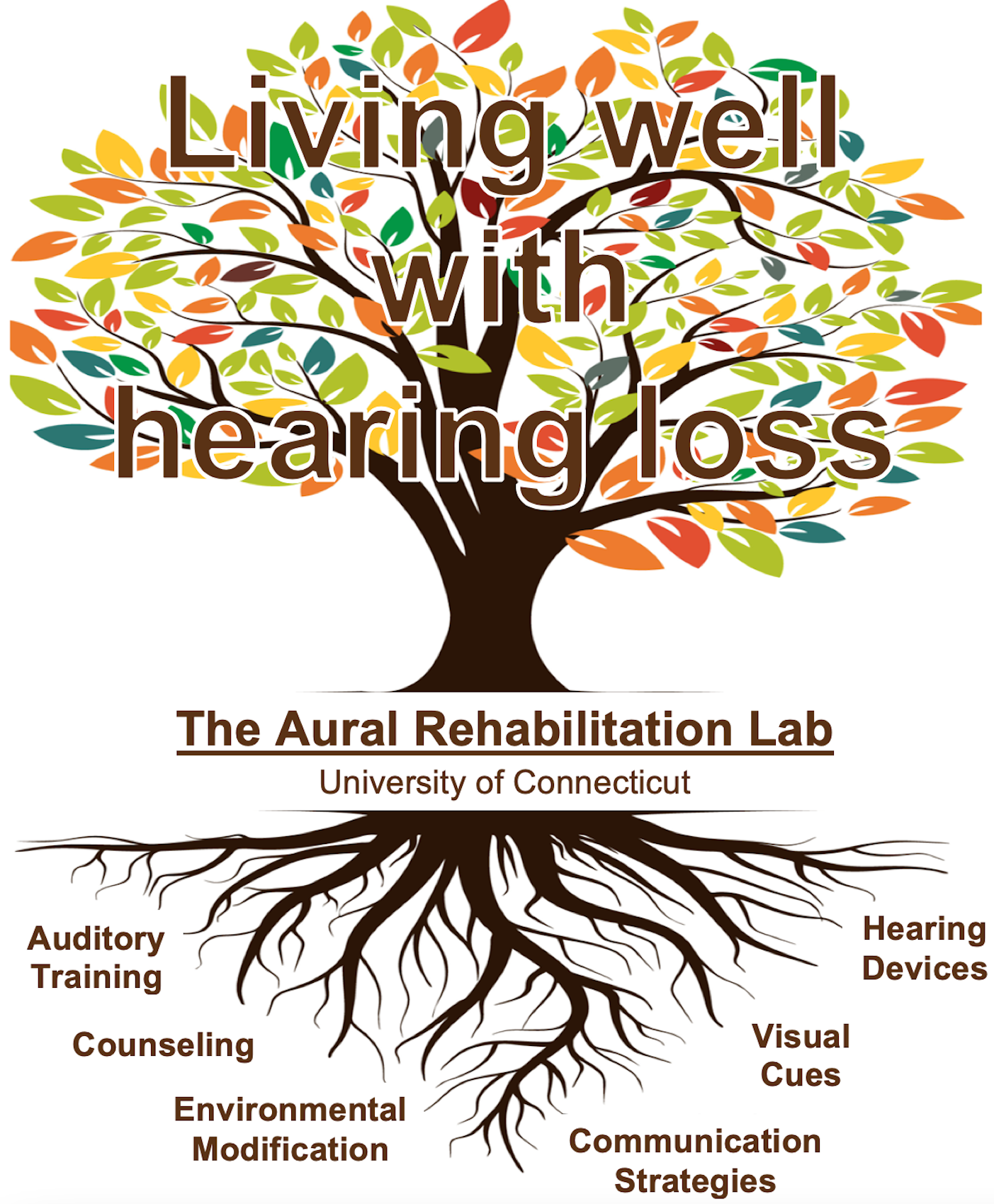
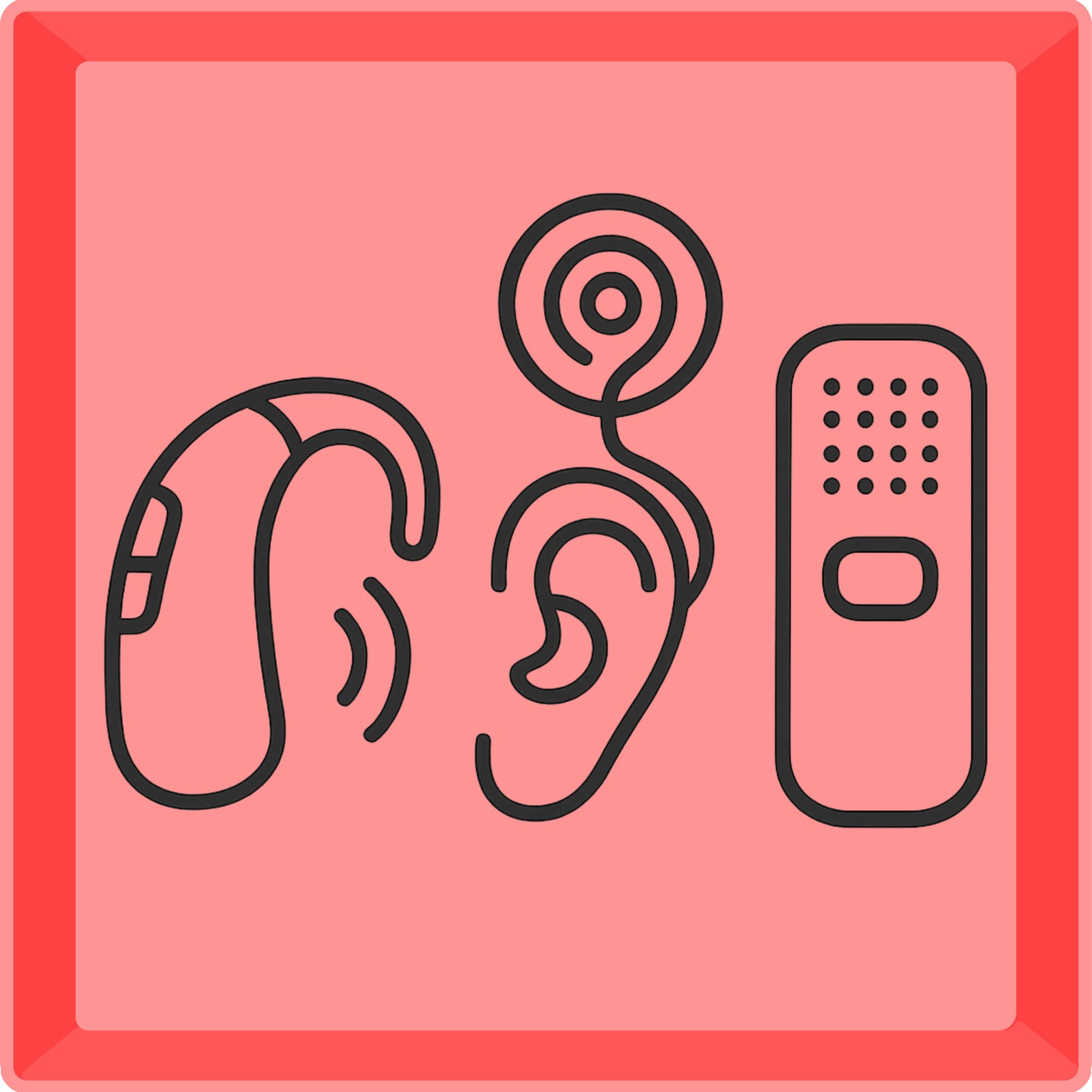
Aural rehabilitation is the process of minimizing the negative impact of a hearing difference and enhancing communication and quality of life through comprehensive assessment, counseling, and management strategies such as the ones listed below. |
| Auditory training involves structured exercises designed to strengthen specific auditory skills—such as auditory memory, sound discrimination, and listening in noise. These exercises are tailored to the individual’s unique listening challenges and goals, making the training both targeted and adaptive. |  |
 |
Counseling involves providing patients and their families or caregivers with clear, relevant information about their diagnosis and helping them adjust to its impact on daily life. It includes exploring and addressing the questions, feelings, thoughts, and beliefs they express as they navigate their hearing journey. |
| Environmental modifications are changes to one’s surroundings that make communication easier. These may include reducing background noise—such as turning the TV or music off or down—or adding sound‑absorbent materials like wall or ceiling panels to reduce reverberation and make listening easier. |  |
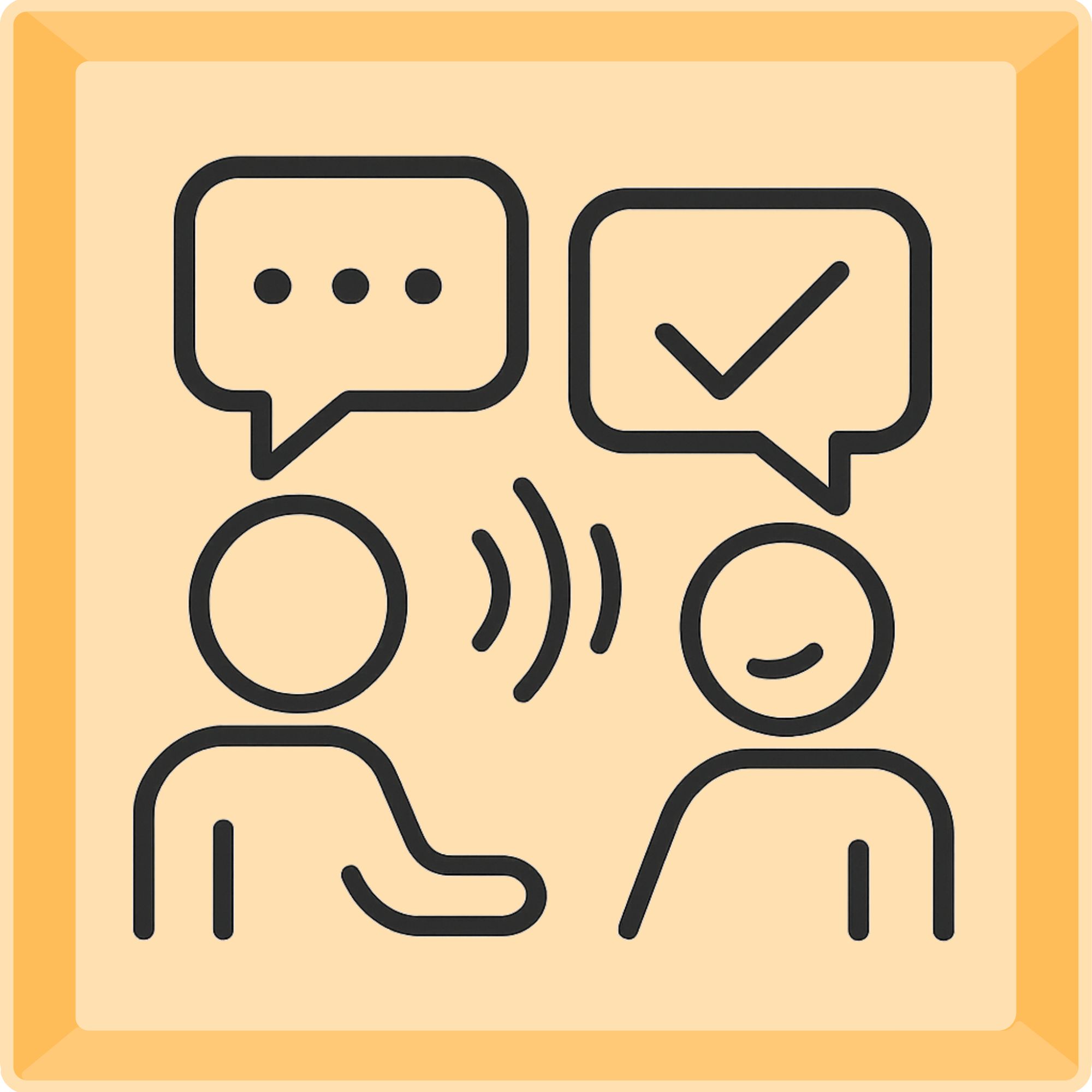 |
Communication strategies are techniques used to improve understanding between communication partners. These strategies are especially important for individuals with hearing differences, but they benefit everyone. See examples of some helpful strategies below. |
| Visual cues are aspects of communication that are visible to the listener and help improve understanding. These include facial expressions, mouth movement, and gestures. Visual cues may also include captioning or images to accompany speech. |  |
 |
|
| Communication Strategies |
| 1. Get your communication partner’s attention before speaking
2. Turn on the lights so you can see each other clearly
3. Reduce background noise (ex., turn off the TV or lower music)
4. Face your communication partner and stay in the same room while speaking
5. Avoid anything that blocks your mouth, which can muffle speech and remove helpful visual cues
6. Ask for repetition or confirm what you heard to make sure the message was understood
7. Rephrase or spell out a word if something was missed
8. Speak clearly, and slow down |
 |